Three Small Business Insurance Commercial: A Comprehensive Guide to Safeguarding Your Enterprise

Imagine running a small business without a safety net. That’s like walking a tightrope without a harness—exciting, but one wrong step could spell disaster. This is where small business insurance comes into play. It’s not just another expense; it’s your business’s life jacket, ready to keep your dreams afloat when unforeseen storms hit.
Back in the day, business was simple. But today, the marketplace is more like a high-stakes game, where risks lurk around every corner. From liability to property damage and worker injuries, insurance is the strategic defense every business owner needs. Let’s dive deep into understanding why insurance is crucial for the sustainability of small businesses.
Understanding Small Business Insurance Needs

Did you know that 40% of small businesses have no insurance coverage? That’s a risky move.
Without the right insurance, you’re leaving your business exposed to unexpected disasters and liabilities. Getting insured isn’t just about protecting your assets—it’s about ensuring your business can survive the unexpected.
The Importance of Insurance for Small Businesses
Imagine your business facing a lawsuit or a natural disaster. Without insurance, such events can cripple your operations. Having the right coverage means you can focus on growth, not on avoiding bankruptcy. More importantly, insurance is often a legal requirement, making it non-negotiable for most businesses.
Common Types of Insurance for Small Businesses
Not all insurance is created equal. Here are the basics you need to know:
- General Liability Insurance: Covers accidents, injuries, and claims of negligence.
- Property Insurance: Protects against damage to your business property.
- Workers’ Compensation Insurance: A must for businesses with employees.
- Commercial Auto Insurance: Essential if your business uses vehicles.
- Professional Liability Insurance: Guards against malpractice and errors.
Pro Tip: Assess your business operations and risks to decide which of these policies are crucial for you.
Managing Risks and Liabilities with Insurance
Insurance is your safety net in a world full of uncertainties. It allows you to manage risks and protects you from liabilities that could otherwise drain your resources. Here is the deal: by investing in the right coverage, you’re investing in the future stability and growth of your business.
Types of Small Business Insurance Policies
Did you know that 40% of small businesses never reopen after a disaster? Protecting your business isn’t just smart—it’s essential. Let’s dive into the types of insurance policies every small business owner should consider.
There are several essential insurance policies that can safeguard your business from unforeseen risks. Each type offers unique coverage options tailored to your specific needs.
Liability Insurance
Liability insurance is crucial for protecting your business from claims of injury or property damage. This can include general liability, which covers legal fees and damages if someone sues you. It can also encompass professional liability (or errors and omissions) insurance, which is vital if your business offers expert advice or services.
Pro Tip: Consider bundling your liability insurance with other policies to save money.
Property Insurance
Property insurance isn’t just for big corporations. Small businesses need this coverage to protect physical assets like buildings, equipment, and inventory. If a fire, theft, or vandalism occurs, property insurance covers the costs to repair or replace your assets.
Workers’ Compensation
If you have employees, workers’ compensation is non-negotiable. It covers medical expenses and lost wages if an employee gets hurt on the job. This isn’t just a legal requirement in most states; it also protects you from lawsuits.
Let’s make it easy with this comparison table:
| Insurance Type | Coverage Benefits |
|---|---|
| Liability Insurance | Protects against legal claims for injury or damage |
| Property Insurance | Covers damage to business premises and equipment |
| Workers’ Compensation | Provides for employee injury expenses and protects against lawsuits |
Each type of insurance serves a distinct purpose, but together they form a safety net for your business. Here is the deal: It’s better to have it and not need it than need it and not have it.
Evaluating Risks for Small Businesses
Did you know that 40% of small businesses will file an insurance claim in the next 10 years? If that stat doesn’t get your attention, I don’t know what will. Here’s the deal: understanding your business risks is crucial to safeguarding your enterprise.
Small businesses face a myriad of risks, and identifying them is the first step in protecting what you’ve worked so hard to build. Let’s break down the different risks to see which ones you need to focus on.
Industry-Specific Risks that Impact Insurance Needs
Every industry has its own unique risks. From property damages in retail to data breaches in tech, understanding your specific industry risks is key. For instance, a restaurant might be more concerned with liability insurance due to potential customer accidents, while a digital firm might prioritize cybersecurity insurance to protect against hackers.
- Retail: Theft, property damage, and liability for customer injuries.
- Technology: Cyber attacks, intellectual property theft, and data breaches.
- Manufacturing: Equipment breakdowns, supply chain disruptions, and worker injuries.
- Hospitality: Guest injuries, food safety issues, and property damage.
Impact of Business Size and Location on Insurance Considerations
Does size really matter? You bet it does. The larger your business, the more extensive your insurance needs likely are. A small boutique might only need basic coverage, but a chain of stores will require more comprehensive policies.
Location is another crucial factor. A business in a flood-prone area will need flood insurance, whereas one in a city might need additional protection against vandalism.
| Business Aspect | Insurance Consideration |
|---|---|
| Size | Larger businesses need more comprehensive coverage. |
| Location | Geographical risks like floods or earthquakes. |
Pro Tip: Always reassess your risks annually. Your business evolves, and so do its risks.
Comparing Insurance Providers

Ever felt overwhelmed by the sheer number of insurance providers out there? Picking the right one can feel like finding a needle in a haystack. But don’t worry, I’m here to help.
When it comes to insuring your small business, choosing the right provider is as crucial as selecting the right policy. You need to ensure that the provider is reliable, offers great customer service, and delivers on their promises. Here’s the deal: not all insurance companies are created equal. That’s why it’s vital to know how to compare them effectively.
Effective Strategies for Selecting Insurance Providers
First off, you need a strategy. Step #1: List down potential providers. The usual suspects are the big names you see in ads. But, don’t overlook smaller, niche providers who might offer better terms for your specific industry.
Step #2: Get reviews. A staggering 84% of people trust online reviews as much as personal recommendations. So, hop on Google, and read up on what other small business owners have to say about them.
Step #3: Check their financial stability. You can’t afford to have your insurance provider go belly up when you need them most. Visit ratings agencies like A.M. Best to see their scores.
Pro Tip: Always verify that the provider is licensed in your state. A policy is no good if it’s not legally recognized where you operate.
Assessing Reputation and Reliability of Insurance Firms
Reputation is everything. If an insurer has a track record of denying claims or poor customer service, run the other way. Step #1: Look for consistency in reviews and ratings. A few negative reviews are normal, but a pattern of complaints is a red flag.
Step #2: Talk to other business owners in your network. Personal experiences are invaluable, and they can give you insights that online reviews can’t.
Here’s a practical way to compare:
| Criterion | Importance |
|---|---|
| Financial Stability | High |
| Customer Reviews | Medium |
| Range of Policies | High |
| Claims Process | Critical |
By using these criteria, you can narrow down your list significantly. Remember, the right provider is not just about the lowest price. It’s about peace of mind when things go south.
Designing a Comprehensive Insurance Plan
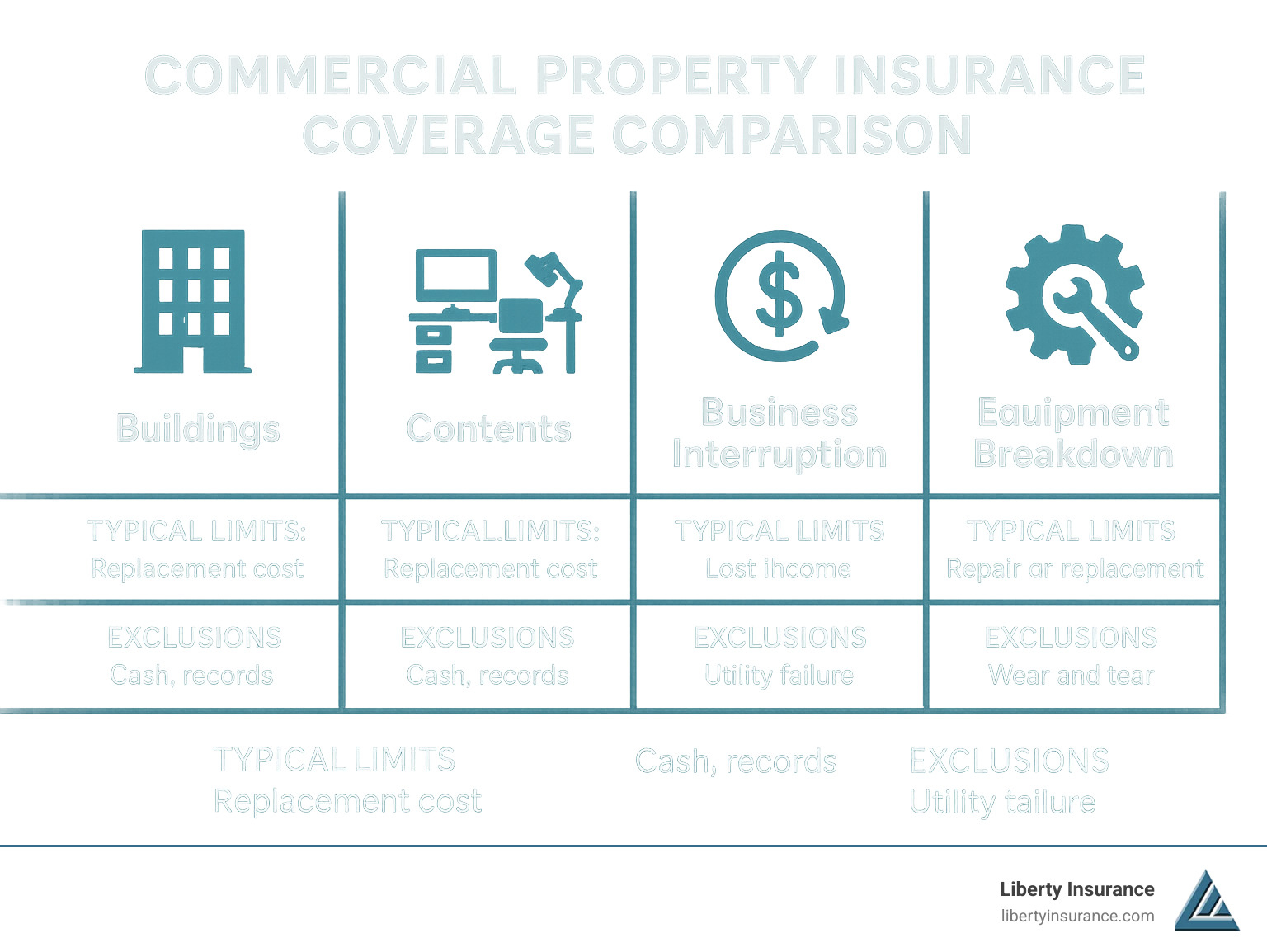
Did you know that 40% of small businesses never reopen after a disaster? Crazy, right? That’s why having the right insurance plan is crucial.
Creating a tailored insurance plan for your small business isn’t just about ticking boxes. It’s about ensuring your coverage aligns with your current needs and future growth. Here is the deal: you need a plan that adapts as your business changes.
Customizing Coverage for Business Needs
Start by identifying the specific risks your business faces. This could include anything from natural disasters to cyber threats. Not all businesses are the same, so your insurance shouldn’t be either. Work with an agent who can guide you in selecting policies that tackle your unique risks.
Pro Tip: Regularly review your insurance policies to catch any gaps in coverage before they become costly mistakes.
Ensuring Alignment with Growth
Your business isn’t static, and neither should your insurance plan be. As you expand, open new locations, or add new services, your risks change. Make sure your insurance grows with you by periodically evaluating your policies. Is your current coverage sufficient for your bigger operation?
Steps to Reevaluate and Update Coverage
- Set reminders to review your insurance annually.
- Consult with your insurance agent to assess changes in your business.
- Adjust your coverage limits and types as needed.
These steps ensure your business remains protected, no matter how much it evolves.
The Impact of Not Having Insurance
Think you can skip insurance for your small business? Think again. Over 40% of small businesses face shutdown after a disaster without it.
Operating without insurance isn’t just risky—it’s potentially catastrophic. You might save some cash upfront, but the long-term costs can be crippling. From natural disasters to lawsuits, all it takes is one event to put you out of business.
The Consequences of Going Uninsured
Without insurance, you’re exposed to financial losses from damages, theft, and liability claims. Imagine your storefront suffering a break-in. Without coverage, you’re shouldering the repair costs. Plus, a single lawsuit can drain your resources faster than you think. Many businesses find themselves bankrupt before they realize the true cost of operating without a safety net.
Real Case Studies: Lessons Learned the Hard Way
Let’s talk real-world examples. A bakery in Florida faced a hurricane. They lacked flood insurance, leading to $50,000 in damages. They had to close within six months. Another case? A tech startup got sued for copyright infringement. Without liability insurance, they couldn’t afford the settlement and went under. These stories aren’t isolated. They’re warnings.
Strategies for Uninsured Businesses
If you’re caught without coverage, you need a plan. First, build an emergency fund. It won’t replace insurance, but it can soften the blow. Next, always document every aspect of your business. This can be vital during disputes. Also, consider negotiating payment plans with creditors if disaster strikes. But here’s the deal: these are temporary fixes, not a substitute for a comprehensive insurance policy.
Pro Tip: “Insurance is like a safety net. You hope you never need it, but you’ll be thankful it’s there when you do.”
Last Word
The world of small business insurance can seem overwhelming, but with the right knowledge and planning, it becomes a powerful ally in your entrepreneurial journey. By understanding your specific needs and carefully choosing the right policies and providers, you create a resilient foundation for your business. Remember, the goal is not just to survive but to thrive—even amidst uncertainties.
Frequently Asked Questions
What are the three main types of small business insurance?
The three main types include liability insurance, property insurance, and workers’ compensation insurance.
Why is small business insurance necessary?
Insurance is essential for managing risks, covering potential liabilities, and ensuring business continuity in case of unexpected events.
How can I evaluate the best insurance provider for my small business?
Consider factors like the provider’s reputation, financial stability, customer service, and pricing when evaluating insurance providers.
What risks should small businesses consider when choosing insurance?
Common risks include natural disasters, employee injuries, lawsuits, and theft, all of which can be mitigated with proper insurance coverage.
How often should I update my business insurance policies?
Review and update your policies annually or whenever significant changes occur in your business operations or structure.