Imagine your business as a fortress. Every stone meticulously placed represents the hard work you’ve invested. Now, picture a storm approaching—threatening winds, unforgiving rains. What stands between your stronghold and the chaos outside? Insurance. It’s not just a safety net; it’s the shield that ensures your business weathers any storm. But, as we dive into the world of small business insurance, it’s easy to get overwhelmed. Don’t worry, though! Just like a treasure map, we’ll guide you through the essentials of protecting your entrepreneurial dream.
Insurance is the unsung hero of the business world. It’s the protective layer that allows small businesses to operate with peace of mind, knowing they’re covered against potential financial pitfalls. In this guide, we’re going to break down the types of insurance every small business should consider, how to choose the right one, and tips for keeping costs in check. Let’s turn confusion into clarity and empower your business with the knowledge it deserves.
Understanding Small Business Insurance
Did you know that 40% of small businesses have never been insured? That’s a huge risk you shouldn’t take! Small business insurance isn’t just a safety net—it’s a necessity.
Every small business owner faces risks. Whether it’s liability, property damage, or employee injury, the right insurance can protect you from financial disaster. Let’s dive into the essentials of small business insurance and why it matters for you.
The Importance of Insurance for Small Businesses
Insurance is your financial shield. It protects your business from unexpected events that could cripple your operations. From natural disasters to lawsuits, having the right coverage means you’re prepared for the worst.
Think of it as an investment in your business’s future. Without insurance, you could face massive out-of-pocket expenses that might lead to bankruptcy. Don’t risk everything you’ve built.
Overview of Different Types of Small Business Insurance
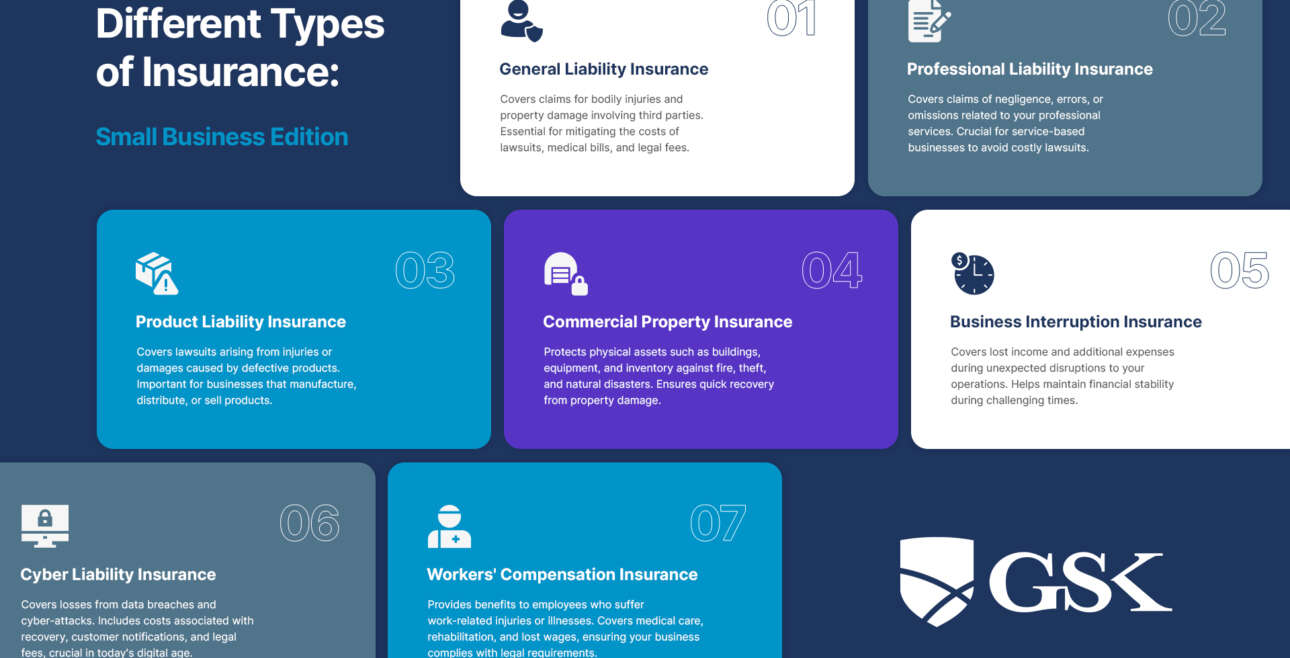
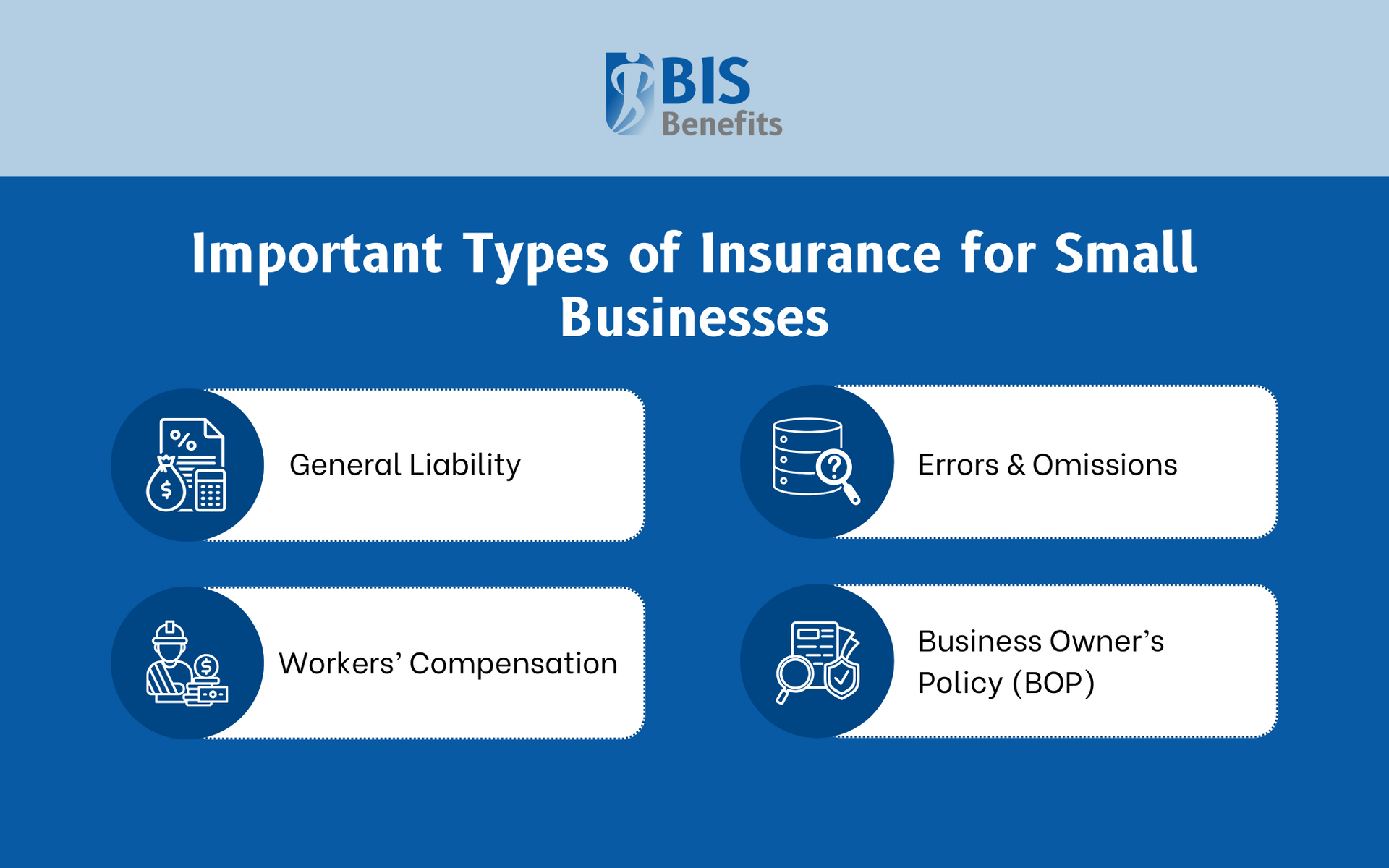
Not all insurance is created equal. Here’s the deal: there are several types you need to know about. General liability insurance covers accidents and injuries. Property insurance protects your physical assets.
Then there’s professional liability insurance, crucial for service providers. And don’t forget workers’ compensation insurance if you have employees. Each type serves a unique purpose, so choose wisely.
Pro Tip: Bundle different types of insurance for a better rate and comprehensive coverage!
The Role of Business Insurance in Risk Management
Risk management isn’t just about avoiding risks—it’s about managing them. And that’s where business insurance comes into play. It helps you identify potential threats and plan accordingly.
By assessing your risks, you can tailor your insurance coverage to fit your specific needs. This proactive approach ensures you’re not overpaying for unnecessary coverage or leaving yourself vulnerable.
| Type of Insurance | What It Covers | Who Needs It |
|---|---|---|
| General Liability | Accidents, injuries, and lawsuits | All businesses |
| Property Insurance | Physical assets like buildings and equipment | Businesses with physical locations |
| Workers’ Compensation | Employee injuries | Businesses with employees |
Types of Small Business Insurance Policies
Did you know that 40% of small businesses never reopen after a disaster? That’s why understanding your insurance options is crucial.
Here’s the deal: insurance is your safety net. But with so many types, where do you begin? Let’s dive into the details.
General Liability vs. Professional Liability Insurance
First up, the General Liability Insurance. This is your go-to policy for accidents, injuries, and property damage. It’s broad and covers a wide range of potential risks. But if you’re in a profession where your advice could cause harm, enter Professional Liability Insurance. This policy is tailored for errors, omissions, or negligence in services.
Check out this quick comparison:
| Policy Type | Coverage | Benefits | Costs |
|---|---|---|---|
| General Liability | Accidents, property damage, bodily injury | Broad protection, covers legal fees | Typically lower premiums |
| Professional Liability | Errors, omissions, negligence in services | Essential for service providers, covers legal and settlement fees | Varies based on industry and risk |
The choice boils down to your business type. A coffee shop? General Liability. A consulting firm? Professional Liability is your friend.
Pro Tip: Always assess your specific risks to choose the right coverage.
Property and Business Interruption Insurance
Property insurance isn’t just about fires and floods. It’s about protecting your physical assets. But what if you can’t operate due to a damaged property? That’s where Business Interruption Insurance steps in. It covers lost income and operating expenses during downtime.
Here’s a snapshot:
| Policy Type | Coverage | Benefits | Costs |
|---|---|---|---|
| Property Insurance | Physical assets, inventory, equipment | Rebuild or repair, replace inventory | Depends on property value and location |
| Business Interruption | Lost income, operating expenses | Keeps business afloat during recovery | Usually an add-on to property insurance |
The takeaway? Choose both to protect your assets and income.
Pro Tip: Consider combining policies for comprehensive protection.
Choosing the Right Insurance for Your Small Business
Did you know that 40% of small businesses never reopen after a disaster? That’s a staggering statistic, and it highlights the importance of having the right insurance. But how do you choose the right coverage for your business?
Here’s the deal: understanding your business’s specific insurance needs is crucial for protection. You need to identify key factors, assess your needs, and tick off essential policies. Let’s dive into how you can make the right choice.
Key Factors to Consider When Selecting Insurance
When it comes to insurance, it’s not one-size-fits-all. Consider the nature of your business, your location, and any potential risks unique to your industry. For instance, a tech startup might prioritize cyber liability insurance, while a retail store might focus on general liability.
Another factor is your budget. Insurance is an investment in your business’s future, but balance is key. Find a plan that offers comprehensive coverage without breaking the bank.
Step-by-Step Guide for Assessing Insurance Needs
Start by evaluating your risks. Step #1: Make a list of all the potential risks your business could face. Think about everything from natural disasters to lawsuits. Step #2: Determine the value of your assets, including property, equipment, and inventory. This will help you decide how much coverage you need.
Then, Step #3: Consult with an insurance expert. They can provide valuable insights and help you tailor your insurance plan. Step #4: Regularly review and update your insurance policies as your business grows and evolves.
Pro Tip: Always read the fine print. Know exactly what your policy covers and, more importantly, what it doesn’t.
Checklist of Essential Insurance Policies for Small Businesses
Every small business should have a baseline of insurance coverage. Here’s a checklist to guide you:
- General Liability Insurance: Covers legal costs for things like accidents and injuries.
- Property Insurance: Protects your building and contents from damage or theft.
- Business Interruption Insurance: Compensates for lost income during shutdowns.
- Workers’ Compensation Insurance: Required if you have employees, covering job-related injuries.
- Professional Liability Insurance: Essential for service providers against negligence claims.
- Cyber Liability Insurance: Shields against data breaches and cyber attacks.
By following these guidelines, you’ll be well on your way to choosing the right insurance to protect your small business from the unexpected.
Cost Factors and Budgeting for Small Business Insurance
Think you’re paying too much for small business insurance? You’re not alone. The cost of insuring your business can sometimes feel like a mystery, but understanding the factors that drive those costs can help you budget more effectively.
The price tag on your business insurance premium isn’t pulled from thin air. It’s calculated based on a few critical factors like the type of business, location, and claims history. But here’s the deal: you have control over some of these elements, which means you can influence the cost.
Factors Affecting Insurance Premiums
First, let’s talk business type. A construction company will pay more for insurance than a coffee shop because of the different levels of risk involved. Then there’s location. Businesses in areas prone to natural disasters or with high crime rates face higher premiums. And don’t forget about your claims history. The more claims you’ve made in the past, the higher your insurance costs may be.
Pro Tip: Minimize your risks where possible. Implement safety protocols and secure your premises to potentially lower your insurance premium.
Budgeting Strategies for Managing Insurance Costs
Budgeting for insurance doesn’t have to be a headache. Start by knowing your coverage needs. This ensures you’re not over-insured. Next, shop around. Get quotes from multiple providers to find competitive rates. Don’t forget to review your policies annually to ensure they still align with your business needs and budget.
Finding Affordable Insurance Options Without Compromising Coverage
Affordable coverage is out there. You just need to know where to look. Consider bundling different types of insurance policies with the same provider to receive discounts. Seek out industry-specific insurers, as they might offer tailored plans that fit your needs better than generic options. And, always keep an eye out for discounts or incentives for businesses that maintain a low-risk profile.
Claims Process and Handling
Ever wondered why some businesses breeze through the insurance claims process while others get stuck in a paperwork nightmare? Let’s break down how to ensure your small business gets its claim handled smoothly and efficiently.
Filing an insurance claim can feel like navigating a maze—but it doesn’t have to be that way. With the right strategy, you can turn what seems like an overwhelming task into a straightforward process. The key is understanding each step and staying organized.
The Step-by-Step Claims Filing Process
First things first: document everything the moment an incident occurs. Take photos, gather receipts, and jot down details. Next, notify your insurer ASAP. Waiting too long can complicate things. Then, fill out your claim form carefully. Small errors can lead to big delays.
- Step #1: Assess and document the damage.
- Step #2: Notify your insurance provider immediately.
- Step #3: Carefully fill out and submit your claim form.
Pro Tip: Always keep a dedicated file for each claim. This way, you’ll have all the necessary documents at your fingertips when the insurer asks for them.
Best Practices for Managing Insurance Claims
Want to handle your claims like a pro? Keep communication open and transparent with your insurer. Regular follow-ups can prevent misunderstandings. Also, having a point person in your business to manage claims can streamline the process significantly.
Document every interaction with your insurance provider. Whether it’s a phone call or an email, keep a record. This can be crucial if disputes arise. Review your policy thoroughly to understand what’s covered—and what’s not—before a claim situation occurs.
Common Pitfalls and How to Avoid Them
Many businesses trip up on the same mistakes. Rushing through the claim form can lead to inaccurate information—a surefire way to delay processing. Another biggie: not reading the fine print. Know your policy limits and exclusions to avoid last-minute surprises.
Don’t ignore follow-up requests from your insurer. Prompt responses keep your claim moving forward. Lastly, avoid underestimating your claim. Be honest but thorough in your documentation to ensure you get the right compensation.
Trends and Innovations in Small Business Insurance

Did you know that 44% of small businesses never reopen after a disaster? Insurance could be their saving grace. But the landscape is changing fast.
Technology is reshaping how small businesses approach insurance. New trends and innovations are making it easier, cheaper, and faster to secure the coverage you need.
Impact of Technology on Small Business Insurance
Artificial intelligence and machine learning are not just buzzwords anymore; they’re at the heart of insurance innovation. Insurers are using AI to analyze risk more accurately, which means you could pay less for your coverage.
Plus, digital platforms streamline the entire process. Imagine never having to endure long phone calls or endless paperwork. Now, it’s just a few clicks.
Innovative Solutions Tailored for Modern Small Businesses
Gone are the days of one-size-fits-all policies. Today, insurers offer customized solutions that adapt to your unique business needs. Whether it’s cyber liability or business interruption, you can tailor a plan just for you.
Here’s the deal: Micro-policies are gaining traction. They cover specific risks for short durations, perfect for seasonal businesses.
Pro Tip: “Consider a pay-as-you-go plan. It adjusts based on your current revenue and staff size.”
Summary
As we wrap up our exploration into the realm of small business insurance, remember this: insurance isn’t just a policy; it’s peace of mind. It’s the confidence that allows you to innovate, grow, and thrive without the lingering fear of unforeseen setbacks. By understanding the essentials of business insurance, you arm yourself with a powerful tool to safeguard your hard-earned success. So, take these insights to heart, make informed choices, and ensure your business is ready for any challenge that comes its way. After all, in the business world, being prepared is more than half the battle won.
Q&A
What is the importance of insurance for small businesses?
Insurance is crucial for small businesses as it provides protection against potential financial losses due to accidents, lawsuits, or natural disasters, ensuring business continuity.
What are the types of small business insurance?
Key types include general liability insurance, professional liability insurance, property insurance, and workers’ compensation insurance.
How do I choose the right insurance for my small business?
Assess your business risks, determine legal requirements, and consider your budget when selecting the right insurance policies.
What factors affect small business insurance costs?
Factors include the type of business, location, number of employees, and the coverage amount.
How can technology impact small business insurance?
Technology streamlines the insurance process, offering digital platforms for easy management and tailored solutions for modern business needs.
