Imagine you’re a professional, diligently serving your clients, when suddenly—bam! A small oversight spirals into a financial predicament. This is where errors and omissions insurance, or E&O insurance, swoops in as your financial superhero. It’s the unsung safeguard for professionals, offering peace of mind when human errors occur.
In Washington State, understanding the nuances of E&O insurance isn’t just prudent; it’s essential. This guide unravels the intricacies of this insurance type, ensuring you stay shielded and savvy. Let’s delve into everything you need to know about errors and omissions insurance in the Evergreen State!
Understanding Errors and Omissions Insurance
Ever wonder what happens when a professional makes a mistake that costs their client thousands of dollars? This is where Errors and Omissions Insurance (E&O) steps in. It’s your safety net when things go south.
E&O insurance is a type of coverage that protects professionals against claims of negligence or inadequate work. It’s basically a must-have for anyone who provides a service or advice.
Professionals Who Need Errors and Omissions Insurance
Picture this: You’re a real estate agent, consultant, or even a web designer. If you offer expertise, you need E&O coverage. Why? Because even a tiny oversight can lead to major headaches.
These professionals often face claims of negligence or failure to deliver services as promised. Without E&O insurance, they risk paying hefty legal fees and settlements out of pocket.
The Importance and Benefits of Having Errors and Omissions Insurance
Here’s the deal: Having E&O insurance isn’t just about covering your tail. It’s about peace of mind. Who doesn’t want to sleep easy at night knowing they’re covered?
With E&O, you protect your business reputation. You show clients that you’re serious about your work and ready to make things right if errors occur. This can significantly boost your credibility and trustworthiness.
Pro Tip: Always review your policy details to know exactly what’s covered. An informed professional is a protected professional.
Errors and Omissions Insurance in Washington State
Did you know that Washington State has its own set of rules for errors and omissions insurance? If you’re a business owner here, this is critical info you can’t afford to miss.
Errors and omissions insurance in Washington State is not only recommended but often necessary depending on your industry. The state mandates specific requirements to protect both businesses and consumers from potential financial harm due to professional mistakes or negligence.
Washington State Insurance Requirements
Here’s the deal: In Washington, businesses in certain industries must have errors and omissions insurance. This requirement is particularly crucial for real estate agents, insurance brokers, and financial advisors. The state ensures that these professionals carry enough coverage to handle potential claims. BUT, the specifics can vary. The coverage amounts might differ based on the size of the business and its exposure to risk. Keep in mind, failure to comply can lead to hefty fines or even license revocation.
Industries Most Affected in Washington
Industries like technology services and consulting are also heavily impacted. They deal with complex data and client interactions that can easily lead to oversights. If you’re in these fields, it’s crucial to evaluate your exposure to potential claims. Here’s a shocking stat: Over 30% of small businesses in these industries face legal action due to errors or omissions. Don’t become a statistic.
Comparing Regulations: Washington vs. Other States
How does Washington stack up against other states? Let’s break it down:
| State | Mandatory Coverage | Industries Affected |
|---|---|---|
| Washington | Yes | Real Estate, Financial Services |
| California | No | Real Estate (Recommended, not mandatory) |
| New York | Yes | Legal, Financial Services |
As you can see, Washington is stricter than states like California, where coverage is recommended but not enforced by law. This means if you’re operating in Washington, you need to be more diligent about your insurance policies.
Pro Tip: Regularly review your policy to ensure it meets current state requirements and industry standards.
Coverage and Policies
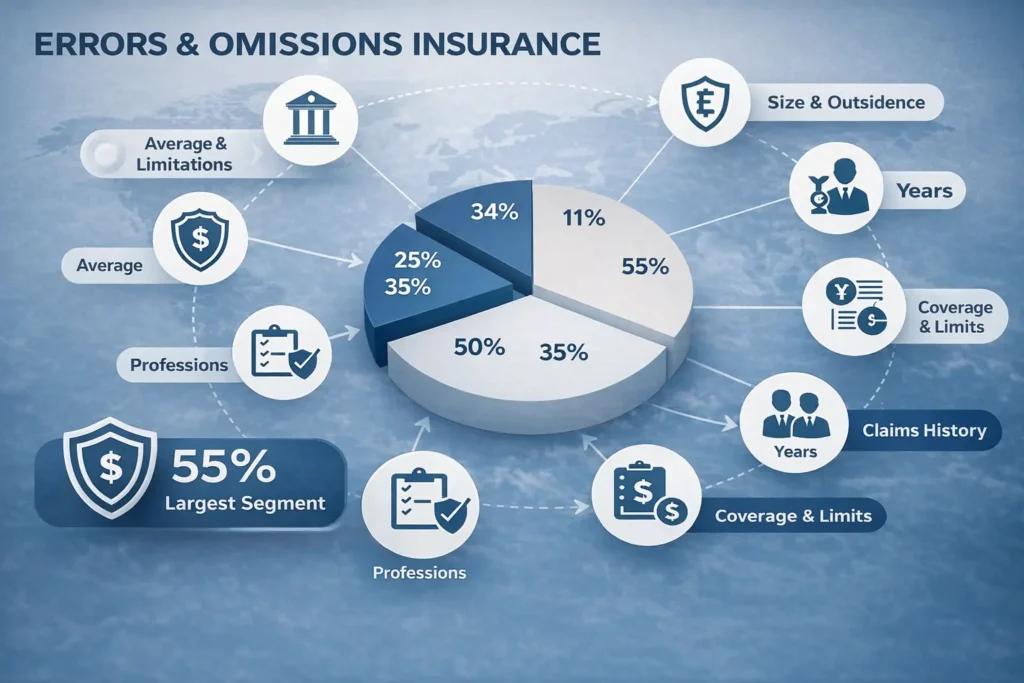
Imagine you’re a consultant, and a client sues you for advice that backfired. Scary, right? That’s exactly where Errors and Omissions Insurance steps in to save the day.
But how does it work? E&O insurance covers you against claims of negligence or inadequate work. It’s like a safety net for when things don’t go as planned, which, let’s face it, happens more than we’d like to admit.
Types of Risks Typically Covered
Here is the deal: knowing what errors and omissions insurance covers can be a game-changer for your business. These policies cover a wide range of risks, including:
- Professional negligence
- Misrepresentation
- Violation of good faith and fair dealing
- Inaccurate advice
- Omissions leading to financial loss
Each of these risks could cost you big time if you’re not protected. And let’s be real, nobody wants that surprise bill.
Examples of Claims Covered
Picture this: a real estate agent gives incorrect zoning information, which then leads to a botched property deal. Or a marketing firm fails to deliver a project on time, causing their client to lose potential revenue. These scenarios are typical claims that E&O insurance would cover.
Now, let’s break it down further. Here are some examples:
- A software developer’s error causes client’s operational failures.
- A tax advisor provides incorrect guidance, resulting in penalties.
- A consultant neglects a crucial facet of a business plan, leading to client losses.
These are just a few examples, but the reality is that mistakes happen. And when they do, having comprehensive coverage can be the difference between a minor hiccup and a major headache.
Pro Tip: Always review your policy details with a fine-tooth comb. Make sure you know exactly what is covered and what isn’t.
Cost and Premium Factors

How much is your peace of mind worth? When it comes to errors and omissions insurance, the premium you pay can vary widely. But understanding what influences these costs is the first step to potentially saving big bucks.
Errors and omissions insurance isn’t a one-size-fits-all product. Various factors can jack up or slash your premiums, from the industry you’re in to the coverage limits you choose. Let’s dive into the nuts and bolts of what drives these costs and how you can manage them.
Key Influencers of Premium Costs
The type of industry you’re in plays a massive role. Tech startups often face higher premiums than, say, a consultancy firm. Why? Because the risk of being sued is generally higher in tech. Policy limits are another crucial factor. The higher the coverage, the more you pay. It’s like buying a car: the more features you want, the higher the price tag.
Comparative Premium Costs
Let’s break down how different factors influence what you pay:
| Industry | Policy Limits | Deductible Options | Coverage |
|---|---|---|---|
| Tech | $1M | $1,000 | Comprehensive |
| Consulting | $500K | $2,500 | Basic |
| Healthcare | $2M | $5,000 | Advanced |
| Real Estate | $1.5M | $1,500 | Standard |
Strategies for Reducing Premium Costs
You might think you need to sacrifice coverage to save money. But here’s the deal: there are ways to keep premiums low without cutting corners. Consider increasing your deductible. A higher deductible can significantly lower your premium. Just make sure you can afford it if you need to make a claim.
Another trick is to bundle your policies. If you’re already paying for other types of insurance, see if the same provider offers a discount for bundling. Also, don’t forget to shop around. Prices can vary drastically from one insurer to another.
Pro Tip: Regularly review and update your policy to ensure you’re not paying for coverage you no longer need.
Claims and Procedures
Did you know that more than 40% of professionals will face a lawsuit at some point in their careers? That’s where errors and omissions insurance swoops in to save the day. But how do you navigate the claims process to ensure your safety net holds strong?
Filing a claim under an errors and omissions (E&O) policy isn’t as daunting as it seems. In fact, with the right steps, you can streamline the process and avoid common pitfalls. Here is the deal: it all boils down to understanding the claims procedure and being proactive.
Step-by-Step Guide to Filing a Claim
When facing a potential claim, the first thing you need is a clear roadmap. Let’s break it down:
- Notify Your Insurer Immediately: Contact your insurance provider as soon as you become aware of a potential claim. The faster you act, the better.
- Gather Documentation: Compile all relevant documents. This includes contracts, emails, and any communication that supports your case.
- Fill Out the Claim Form: Complete the claim form provided by your insurer. Ensure all details are accurate and concise.
- Submit Evidence: Provide the evidence you gathered to your insurer. The more detailed, the stronger your case.
- Follow Up Regularly: Stay in touch with your insurer. Regular follow-ups can help expedite the process.
Pro Tip: Always keep a detailed record of every interaction related to the claim. It could be a lifesaver!
Common Reasons for Claim Denial
Claim denial is the last thing you want, but it happens more often than you’d think. Here’s what you need to watch out for:
- Late Notification: Delays in notifying your insurer can lead to automatic denial.
- Inadequate Documentation: Missing or incomplete information can sink your claim before it even sets sail.
- Policy Exclusions: Make sure the incident is covered under your policy. Exclusions can be tricky.
- Pre-existing Conditions: Claims linked to events or issues known before the policy was in effect often get denied.
Avoid these pitfalls, and your chances of a successful claim shoot up dramatically. Remember, preparation and understanding are your best defenses.
Choosing the Right Insurance Provider
Did you know that choosing the wrong insurance provider can cost you thousands in uncovered claims? It’s crucial to get this right. But how do you sift through the options?
Here is the deal: not all insurance providers are created equal. You need a strategy to pick the best one in Washington State.
Evaluating Errors and Omissions Insurance Providers
The first step is understanding the criteria for evaluating providers. You want an insurer with a strong reputation, financial stability, and a range of options. Look for companies with high customer satisfaction scores and positive reviews. This isn’t just about price; it’s about finding a provider that delivers when it counts.
Using a Comparative Table to Make Your Choice
Step #1: List your top potential providers. Step #2: Compare them using this simple table format:
| Provider | Reputation | Financial Stability | Customer Satisfaction | Policy Options |
|---|---|---|---|---|
| Provider A | High | A+ | 4.5/5 | Comprehensive, Flexible |
| Provider B | Medium | A | 4.2/5 | Standard, Limited |
| Provider C | Low | B+ | 3.8/5 | Basic, Few Options |
Using a table helps you see at a glance which provider stands out. BUT always dig deeper into reviews and ask for references. Remember, this table is a starting point, not the final decision.
Importance of Customer Service and Support
Customer service can be a game-changer. Imagine dealing with a claim and getting stuck because your provider is unreachable. You don’t want that. Check if they offer 24/7 support and have a dedicated helpline. A provider that’s there when you need them is worth their weight in gold.
Pro Tip: Always test their customer support. Call with a question before you buy. See how they handle it.
Last Word

Navigating the world of errors and omissions insurance in Washington State doesn’t have to be daunting. With the right knowledge and a trusted provider, you can safeguard your professional endeavors against unforeseen mishaps. Remember, it’s about protecting your reputation and securing your peace of mind. Don’t leave your professional future to chance; invest in the right insurance today!
FAQ Section
What is errors and omissions insurance?
Errors and omissions insurance is a type of professional liability insurance that protects businesses and individuals against claims of inadequate work or negligent actions.
Who needs errors and omissions insurance in Washington State?
This insurance is particularly important for professionals such as real estate agents, consultants, and financial advisors in Washington State.
How does errors and omissions insurance differ in Washington State compared to other states?
While the basic principles remain the same, Washington State may have specific requirements or regulations that differ from other states.
What factors affect the cost of E&O insurance premiums?
The cost is influenced by industry type, policy limits, deductible options, and the coverage you choose.
How can I reduce my E&O insurance premiums?
Consider raising your deductible, maintaining a clean claim history, and comparing quotes from multiple providers to find the best rate.
What should I do if my E&O insurance claim is denied?
Review the denial reason, consult with your insurance provider, and gather any additional documentation that may support your case for an appeal.
