Looking for the best insurance rates in North Carolina? You’re in the right place. Whether you’re new to the state or a long-time resident, understanding the landscape of insurance options here can make a significant difference to your wallet.
In this guide, we’ll dive deep into the types of insurance available, the factors affecting rates, and the providers that stand out. We’ll arm you with strategies and tips so you can navigate the insurance market like a pro.
Overview of Insurance in North Carolina
Did you know that North Carolina has some of the lowest auto insurance rates in the country? But there’s more to the insurance landscape in the Tar Heel State than meets the eye.
North Carolina offers a range of insurance options that cater to various needs from auto and home insurance to health and life policies. Understanding these options can help you get the best coverage for your situation.
Main Types of Insurance Available in North Carolina
In North Carolina, the insurance market is dominated by auto, home, health, and life insurance. Each type serves a distinct purpose and is regulated to ensure consumer protection and industry fairness.
The state’s insurance laws are designed to protect consumers while enabling a competitive market. This means better rates for you, especially in auto insurance where North Carolina consistently ranks low in terms of average costs.
Regulatory Environment Governing Insurance in the State
Insurance in North Carolina is regulated by the North Carolina Department of Insurance. They ensure that all companies adhere to fairness standards and that rates are neither excessive nor discriminatory.
Here’s the deal: This regulatory body plays a crucial role in maintaining the balance between consumer protection and competitive pricing. That’s why you’ll often find that rates are stable compared to other states.
Demographic Factors Influencing Insurance Rates in NC
Demographics play a huge role in determining insurance rates. Factors such as age, location, and even marital status can affect how much you pay. For instance, urban areas might have higher rates due to increased risk of accidents or crime.
Pro Tip: If you’re over 55, you may qualify for senior discounts on certain types of insurance.
Understanding these demographics is key to navigating the insurance market effectively. By knowing what impacts your rates, you can better compare policies and find the best deal for your needs.
Factors Affecting Insurance Rates in NC
Did you know that your insurance rates in North Carolina could skyrocket based on just one factor? That’s right. Whether you live in the bustling city or the serene mountains, several key elements can significantly alter what you pay.
It’s all about location, risk, and individual profile. But understanding these elements can help you navigate the complex world of insurance and get the best rates possible.
Location-Based Variations in Insurance Rates
Let’s start with location. In North Carolina, where you live plays a massive role in determining your insurance premiums. Urban areas like Charlotte and Raleigh tend to have higher rates due to increased traffic and accident rates. Meanwhile, rural areas might enjoy lower premiums.
- Urban Areas: Higher rates due to congestion and higher crime rates.
- Rural Areas: Generally lower rates with fewer accidents.
- Coastal Regions: Risk of natural disasters can drive rates up.
This means if you’re thinking of moving within NC, consider how your new zip code might impact your insurance costs.
Individual Risk Profiles and Their Impact
Your personal risk profile is another major factor. Insurance companies scrutinize elements like your driving record, age, and even credit score. A clean driving record could save you hundreds, while a few speeding tickets might hike up your rates.
| Risk Factor | Impact on Rates |
|---|---|
| Driving Record | Safe drivers enjoy lower rates |
| Age | Younger drivers often pay more |
| Credit Score | Higher scores can lower premiums |
Here’s the deal: Managing these aspects can be your ticket to better insurance rates.
Pro Tip: Regularly check your credit report for errors. A higher score can mean significant savings on your insurance.
Tips for Finding the Best Insurance Rates
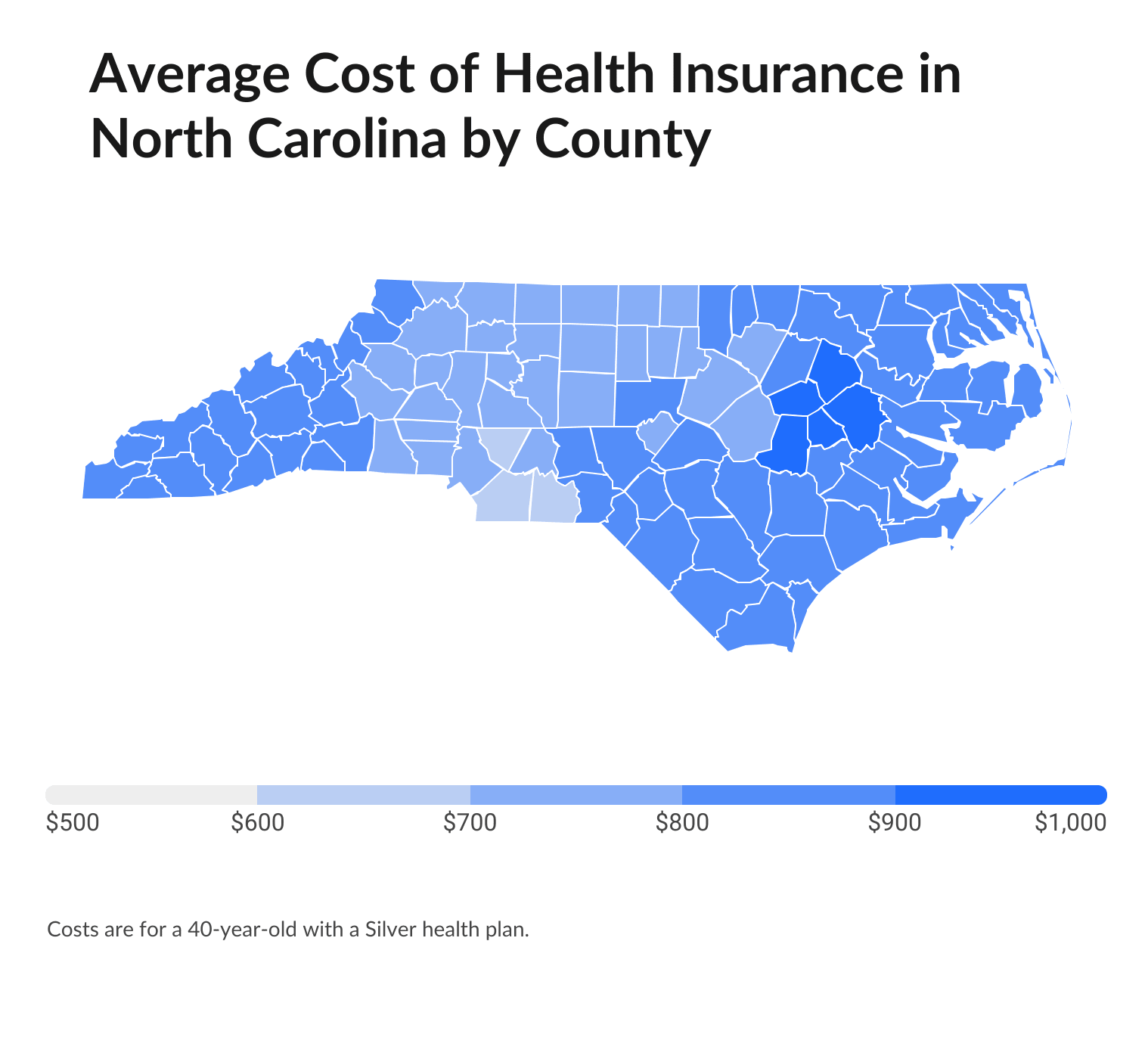
Did you know that over 50% of people overpay for their insurance each year? Shocking, right? But don’t worry because I’m here to show you how to find the best insurance rates in North Carolina.
You don’t need to be a financial whiz to save money on insurance. It’s all about knowing where to look and what to ask. Here is the deal: by following a few simple steps, you can significantly reduce your insurance costs.
Strategies for Obtaining Better Insurance Rates
Step #1: Shop Around. This might sound obvious, but it’s the easiest way to save. Many people stick with one insurer for years without realizing better deals are just a quote away. The key is to compare at least three to five different insurance providers.
Step #2: Bundle Your Policies. When you combine, say, your auto and home insurance with the same provider, you’re often rewarded with a discount. It’s a quick win that can lead to significant savings.
Step #3: Improve Your Credit Score. Yes, your credit score can impact your insurance rates. Insurers believe that people with higher credit scores are less likely to file claims. So, pay your bills on time and reduce your debt.
Methods for Comparing Insurance Policies Effectively
Start by listing your coverage needs. This helps you compare apples to apples. Next, look for the same coverage limits and deductibles in each policy.
Use online comparison tools—they’re a major time-saver. These platforms let you see different quotes side-by-side, making it easy to spot the best deal. BUT remember, don’t always go for the lowest premium. Consider the coverage benefits and company reputation too.
| Company | Monthly Premium | Coverage Limit |
|---|---|---|
| InsureCo | $80 | $250,000 |
| PolicyPlus | $75 | $200,000 |
| SafeGuard | $90 | $300,000 |
Common Discounts Available to Policyholders
Insurance companies offer a variety of discounts that can add up to big savings. Here’s a list to keep an eye out for:
- Multi-Policy Discount: Save when you bundle multiple types of insurance.
- Good Driver Discount: Clean driving record? Fantastic. That often earns you a reduced rate.
- Home Safety Discount: Have a security system? You could snag a lower rate on home insurance.
- Senior Discount: If you’re over 55, you might qualify for special savings.
Pro Tip: Always ask about available discounts. Sometimes they aren’t automatically applied, and all it takes is a quick question to lower your premium.
Insurance Providers and Their Offerings
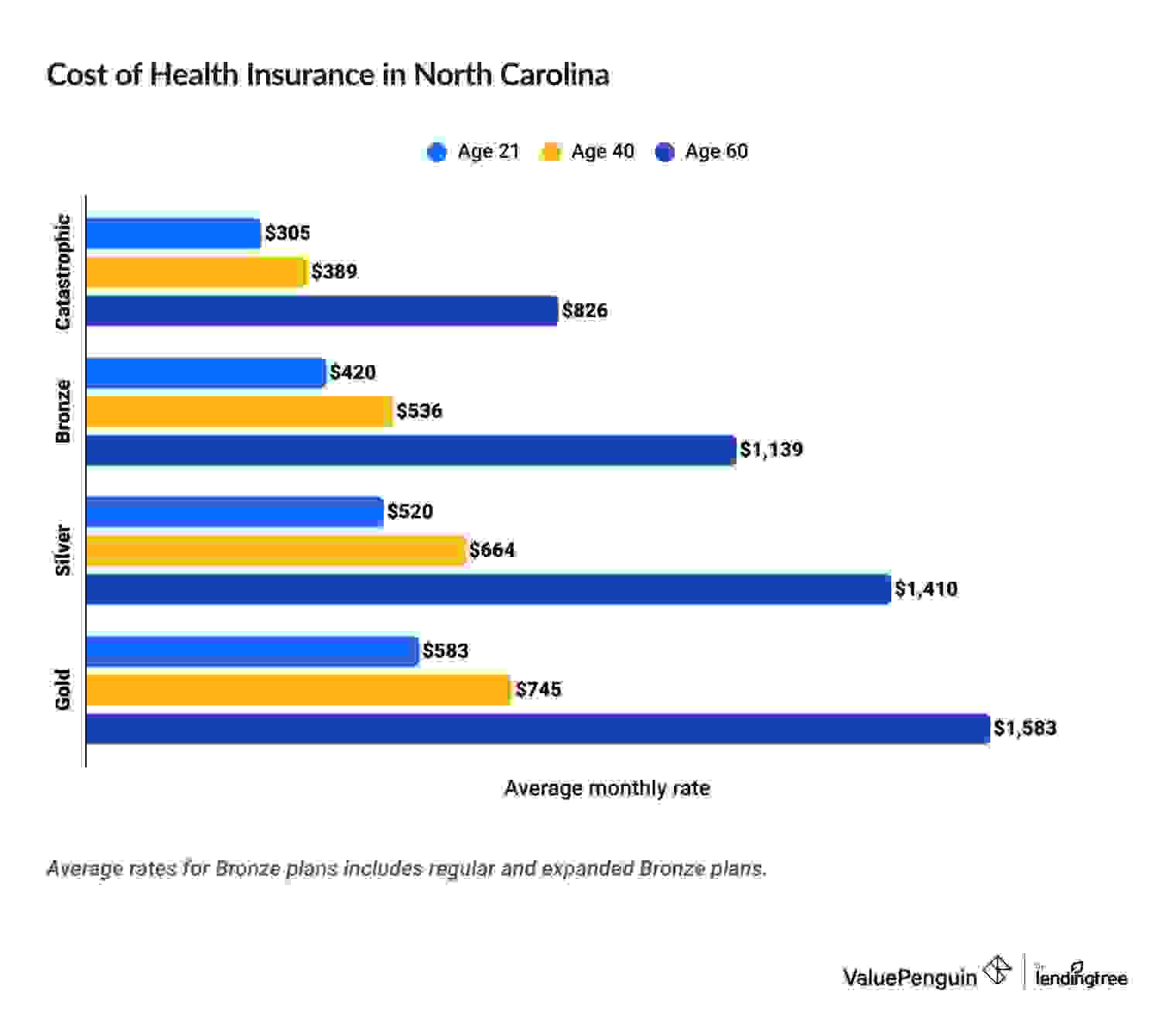
Did you know that North Carolina is home to some of the most competitive insurance markets in the U.S.? With so many choices, finding the right provider can feel like searching for a needle in a haystack.
Here is the deal: understanding what each insurance provider offers can save you both time and money. Major players dominate the North Carolina market, but each has unique offerings. Let’s dive into who’s who and what they bring to the table.
Major Insurance Providers in North Carolina
In North Carolina, the insurance landscape is competitive. Big names like State Farm, Nationwide, and GEICO lead the pack. But, local firms like NC Farm Bureau also offer compelling options.
Here’s a quick look at these providers:
| Insurance Company | Notable Offerings | Customer Ratings |
|---|---|---|
| State Farm | Comprehensive auto and homeowners insurance | 4.5/5 |
| Nationwide | Wide range of discounts and bundling options | 4.3/5 |
| GEICO | Low rates and strong online tools | 4.4/5 |
| NC Farm Bureau | Personalized service and local expertise | 4.6/5 |
Each company has its pros and cons, but customer service is critical. You don’t want to be left hanging when you need help.
Customer Service and Responsiveness
Outstanding customer service isn’t just a bonus—it’s a necessity. When something goes wrong, the speed and quality of a provider’s response can make or break your experience.
State Farm and NC Farm Bureau are known for their excellent customer service and rapid response times. Nationwide prides itself on offering a good balance of service and technology.
Pro Tip: Always check customer service reviews before signing up. A company might offer great rates, but their customer service may not match up.
Remember, an insurance policy is only as good as the people behind it. Choose a provider who will stand by you when you need them most.
Trends and Developments in the NC Insurance Market
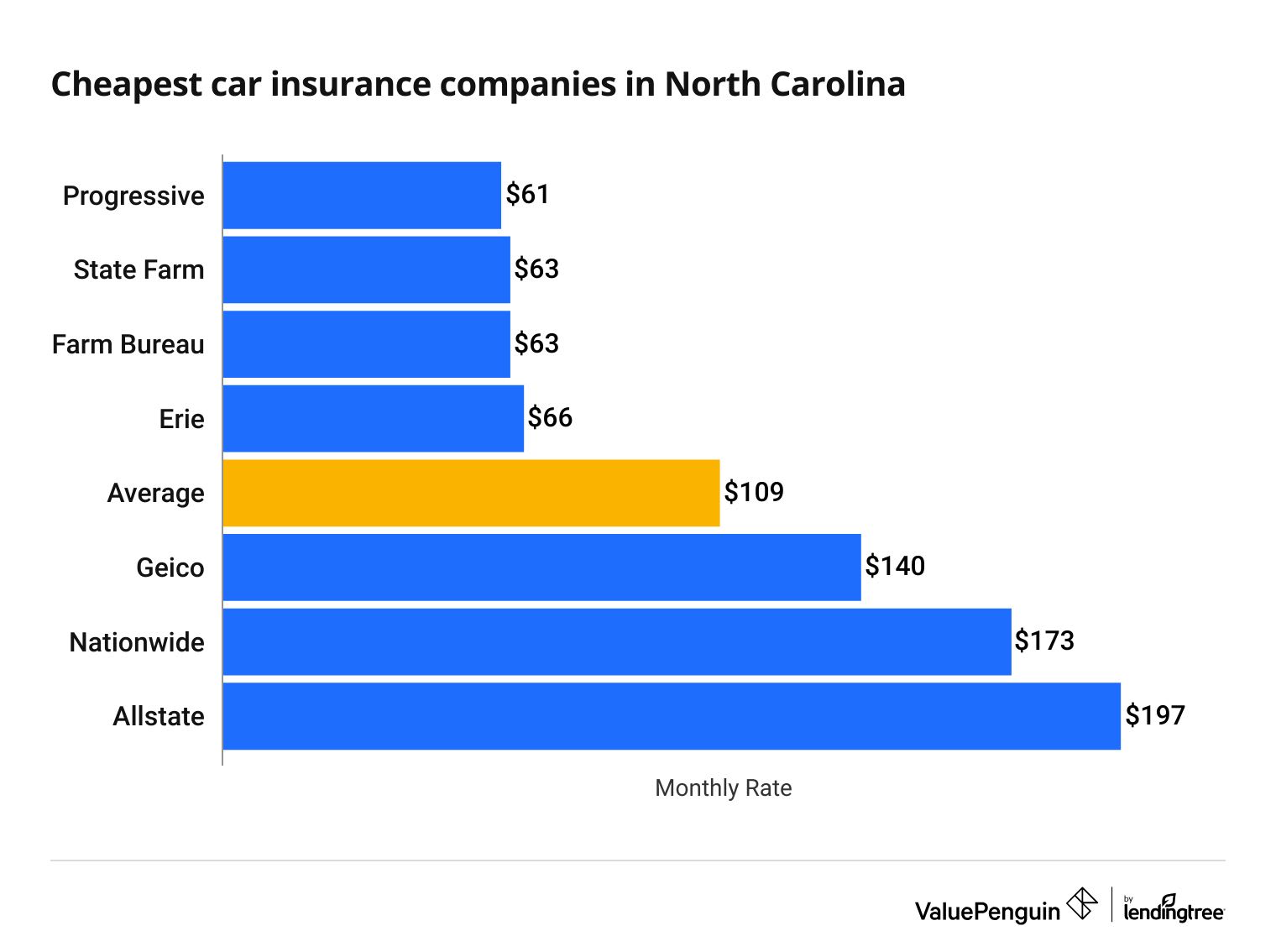
Did you know the North Carolina insurance market is undergoing a massive transformation? It’s true! Recent trends and developments are shaking things up. If you want to stay ahead, you need to understand these shifts.
Let’s dive into the key factors reshaping insurance rates in North Carolina. From technology to regulatory changes, these elements are crucial for anyone looking to nab the best rates. Are you ready to uncover the future of insurance in NC?
Impact of Technological Advancements
Digital innovation is not just a buzzword—it’s revolutionizing the insurance industry. From AI-driven analytics to telematics in auto insurance, technology is enabling insurers to offer more personalized and competitive rates. The use of big data allows for improved risk assessment, leading to more accurate pricing.
Here’s the deal: If you’re not leveraging online tools to compare rates, you’re missing out. The ease and speed of digital platforms mean you can instantly find better deals, tailored just for you.
Pro Tip: Use comparison websites to capitalize on tech-driven rate reductions.
Regulatory and Market Shifts
North Carolina’s insurance landscape is also being shaped by regulatory changes. Recent adjustments in state laws have made it easier for new entrants to disrupt the market, leading to increased competition. More players mean better rates for you, the consumer.
But here’s the catch: Not all insurers are adjusting their models at the same pace. You need to be savvy and shop around to ensure you’re getting the benefits of these market shifts.
Future Predictions for NC’s Insurance Market
Looking ahead, experts predict the North Carolina insurance market will continue to be influenced by climate change and demographic shifts. Expect a rise in property insurance rates due to increased natural disasters.
BUT, technological advancements will keep pushing auto and health insurance rates down. Insurers are also expected to offer more flexible and adaptable policies, catering to a broader range of consumer needs.
Step #1, keep an eye on emerging trends. Step #2, adjust your insurance strategy accordingly to stay one step ahead.
Consumer Rights and Resources
Did you know that many North Carolinians are unaware of their insurance rights? Understanding these rights can save you money and headaches.
But here’s the deal: knowing your rights is just the first step. You need the right resources to safeguard those rights and navigate the insurance landscape effectively.
Understanding Consumer Rights in North Carolina
In North Carolina, consumers have the right to transparent information about their insurance policies. Insurers are required to provide clear and concise details about coverage terms, premiums, and any changes to your policy. If you feel that your rights are being infringed upon, you can file a complaint with the North Carolina Department of Insurance.
Pro Tip: Always ask for a written explanation of any decision your insurer makes that you disagree with. This can be crucial evidence if you need to escalate the issue.
Available Resources for Insurance Guidance
If you’re looking for assistance, North Carolina offers several resources to help you make informed decisions. Here are some you should definitely check out:
- North Carolina Department of Insurance (NCDOI) – They offer a wealth of resources, from consumer guides to direct assistance with insurance-related issues.
- Insurance Information Institute – Provides educational materials and tips on understanding insurance policies.
- North Carolina Consumers Council – A nonprofit that promotes consumer education and advocacy.
The Role of State Regulators and Consumer Advocacy Groups
State insurance regulators, like the NCDOI, play a critical role in maintaining market stability and protecting consumer rights. They oversee the operations of insurance companies, ensuring they adhere to state laws and regulations. But they’ve also got your back by offering dispute resolution services.
Consumer advocacy groups are your allies in the insurance world. They work tirelessly to promote fair insurance practices and often lobby for consumer-friendly legislation. These groups can provide valuable insights and assistance, especially when dealing with complex insurance issues.
Final Thoughts
Wrapping it all up, finding the best insurance rates in NC is about being informed and strategic. Use the insights and tips shared here to make educated decisions that suit your needs. Remember, the right insurance policy is not just a financial decision, but a peace of mind.
Frequently Asked Questions
What are the main types of insurance available in North Carolina?
In North Carolina, the main types of insurance include auto, home, health, and life insurance. Each type has its own set of providers and regulations.
How do demographic factors influence insurance rates in NC?
Demographic factors such as age, location, and driving history can significantly influence insurance rates, with younger drivers typically facing higher premiums.
What should I consider when comparing insurance policies?
When comparing insurance policies, consider coverage limits, deductibles, customer service ratings, and the financial stability of the insurance provider.
Which discounts are commonly available to insurance policyholders in North Carolina?
Common discounts include safe driver discounts, multi-policy discounts, and good student discounts, among others.
How can technological advancements impact insurance rates?
Technological advancements, like telematics and data analytics, can lead to more personalized insurance rates based on individual risk profiles.
